Portable Gaming Platforms Harness Contactless Transactions for Fluid Shifts from Bonus Spins to Live Dealer Outcomes
Written by Viktor Wolf · Oct 16, 2026
Portable Gaming Platforms Harness Contactless Transactions for Fluid Shifts from Bonus Spins to Live Dealer Outcomes
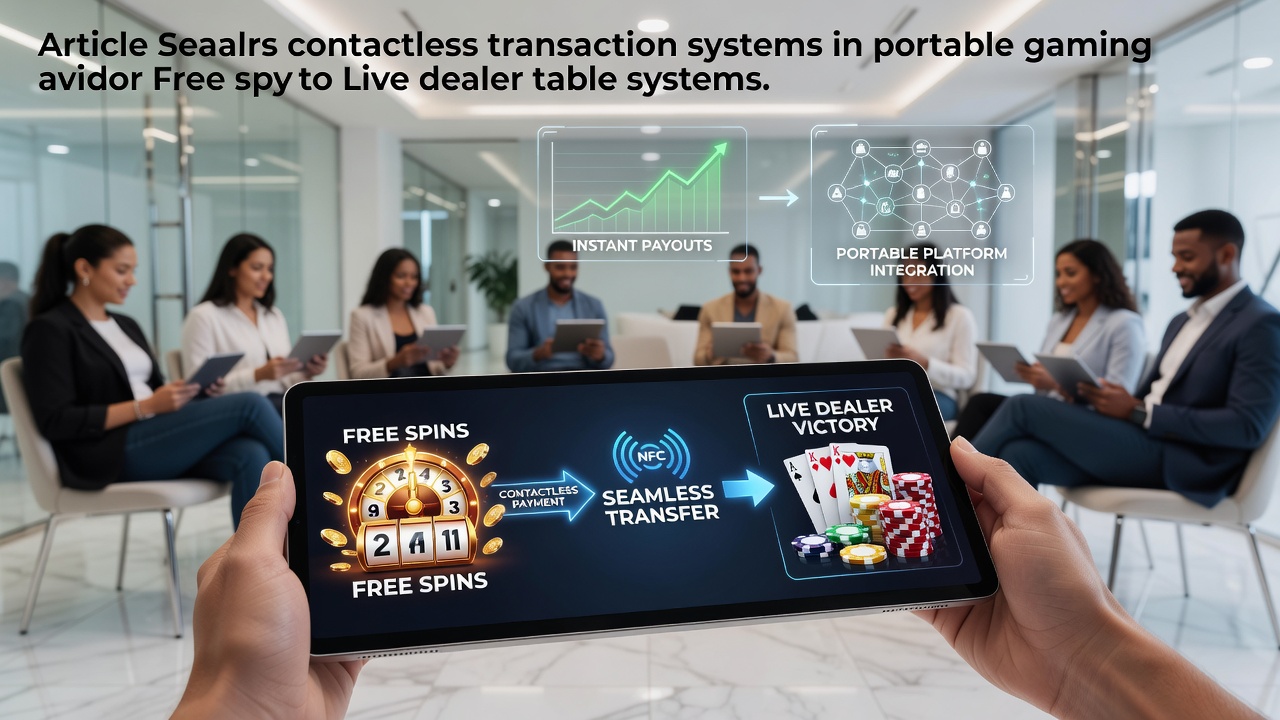
Portable gaming platforms have integrated contactless transaction systems that allow users to move directly from promotional free spin offers into live dealer environments without repeated authentication steps or manual fund transfers, and data from industry reports confirm these systems rely on near-field communication protocols combined with tokenization to maintain security across devices. Observers note that such technology reduces friction in session continuity, particularly when players activate bonus spins on slots and then select live roulette or blackjack tables within the same application.
Technical Foundations of Contactless Integration
Contactless systems operate through encrypted short-range wireless signals that authenticate payments in under two seconds, while the same infrastructure handles the conversion of promotional credits into playable balances for table games. Researchers at payment technology firms have documented how token-based verification replaces card details during each transition, and this approach complies with standards set by international bodies focused on secure electronic transactions. In October 2026 several portable platforms updated their software to support enhanced biometric confirmation alongside contactless taps, allowing players to confirm live dealer entries immediately after completing a free spin round.
Hardware requirements include NFC-enabled mobile devices paired with casino applications that support both promotional mechanics and real-time dealer streams, and studies from academic institutions in North America indicate that these combined features maintain session data integrity across network changes. Those who manage platform operations report that contactless layers also facilitate automatic currency conversion when users switch regions, which supports uninterrupted movement between slot bonuses and table selections.
Promotional Mechanics and Live Table Connectivity
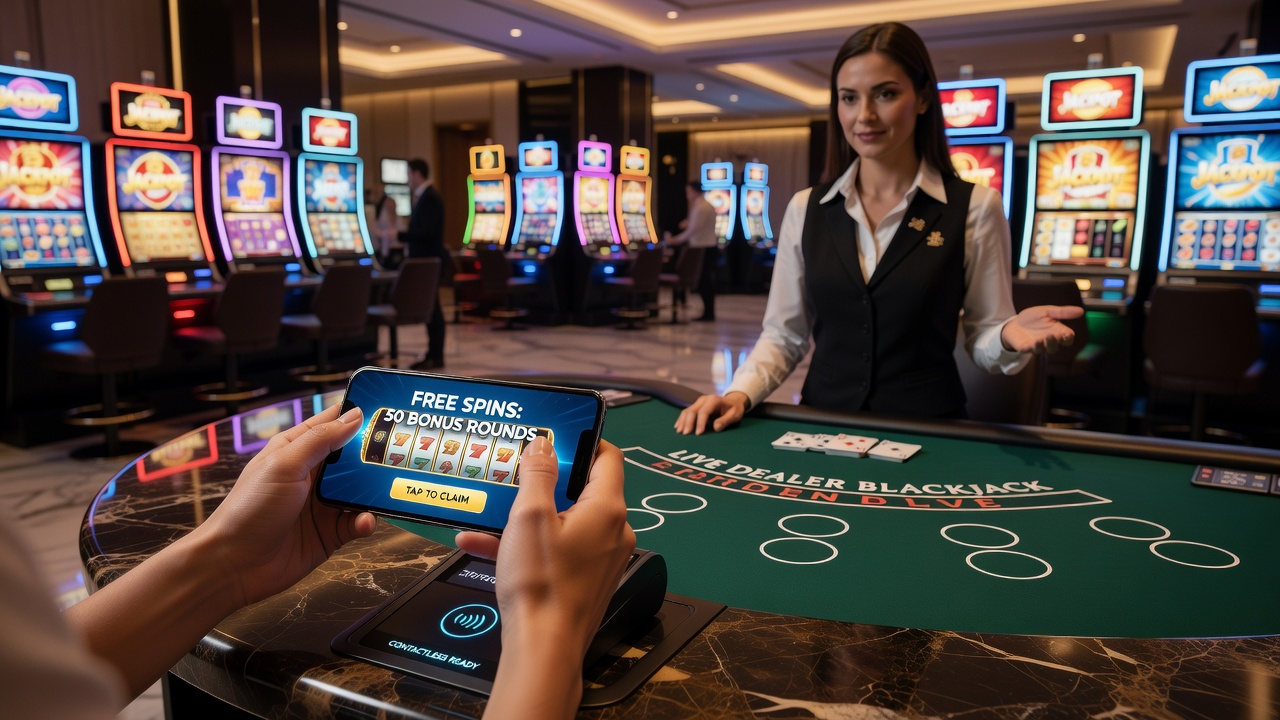
Free spin promotions typically credit player accounts through the same contactless gateway used for live dealer buy-ins, and this unified pathway eliminates separate deposit screens during active play. Figures from gaming analytics providers reveal that platforms employing single-sign contactless flows record higher completion rates for bonus-to-table sequences compared with multi-step systems. One case documented by industry observers involved a series of mobile sessions where users tapped to activate spins, then used the identical interface to join blackjack tables, with all transactions processed via tokenized contactless channels.
Live dealer software on portable devices incorporates API connections that recognize promotional balances instantly, and this recognition occurs because contactless verification occurs at the account level rather than per-game type. Experts have observed that such integration supports regulatory reporting requirements in multiple jurisdictions by logging each transition with timestamps and payment method identifiers, and the process remains consistent whether the player remains on one device or switches between phone and tablet.
Security Protocols and Regional Variations
Tokenization within contactless frameworks replaces sensitive financial data with unique identifiers that expire after each session segment, and this measure addresses concerns raised in reports issued by the Bank for International Settlements on electronic payment risks. Platforms operating in European markets often layer additional dynamic authentication on top of NFC signals when players move from free spins to live tables, whereas systems in other regions prioritize speed through single-factor contactless confirmation. Research from university-affiliated gaming studies groups shows that these variations still achieve comparable security outcomes because the underlying encryption standards remain uniform across implementations.
Portable applications also embed fraud detection algorithms that monitor contactless transaction velocity during bonus-to-table shifts, and alerts trigger if patterns deviate from established user behavior. Such monitoring occurs without interrupting gameplay, and data collected in this manner feeds into compliance documentation required by authorities in Australia and Canada.
Player Journey Examples Across Devices
Users commonly begin sessions by claiming free spins via a contactless tap that loads promotional credits, then navigate to live dealer lobbies where the same verified account balance supports table wagers without additional entry. Observers have recorded instances where players completed this sequence on commuter trains or during travel, with the contactless system handling network handoffs between cellular and Wi-Fi connections seamlessly. Industry reports from the European Gaming and Betting Association note that these fluid paths contribute to extended session durations on portable platforms, although exact figures vary by operator and market.
Table victories achieved after free spin sequences appear in transaction logs as sequential entries under the same contactless session identifier, and this logging supports both player review and regulatory audits. Those managing customer support for mobile casinos report fewer inquiries about balance transfers because the contactless layer removes the need for manual reconciliation steps.
Conclusion
Contactless transaction systems continue to underpin the operational linkage between promotional spin offers and live dealer participation on portable gaming platforms, with ongoing software refinements scheduled through late 2026 expected to further standardize these transitions. Regulatory frameworks in diverse regions maintain oversight through transaction logging requirements, while technical standards from international payment organizations guide encryption practices. The result remains a consistent pathway that processes each movement from bonus activation to table engagement under unified verification protocols.